Not logged in?
Login / create an account to access free content on the Careers Zone.

CAREERS ZONE

Failed R06? How to Reset, Refocus and Come Back Stronger 

Failing R06 is emotionally heavy because it often comes after a long pathway of exams.  

When we chat to learners who have missed out on this exam, the frustration of falling at the last hurdle is clear to see. It’s so important to keep in mind that many successful financial planners / paraplanners have failed at least one exam – it’s common, not a verdict on your potential.  

When someone fails R06, the initial feedback they receive from the examining body can be vague. It is possible to request a detailed remark, which can provide a little more depth (there is a cost for this). Once you have your detailed feedback, the next step is to turn it into a strategy, not a self-critique. 

In this article, we describe how to understand your feedback, identify patterns, use study resources effectively, and build a targeted plan. 

Failed R06? How to Reset, Refocus and Come Back Stronger 
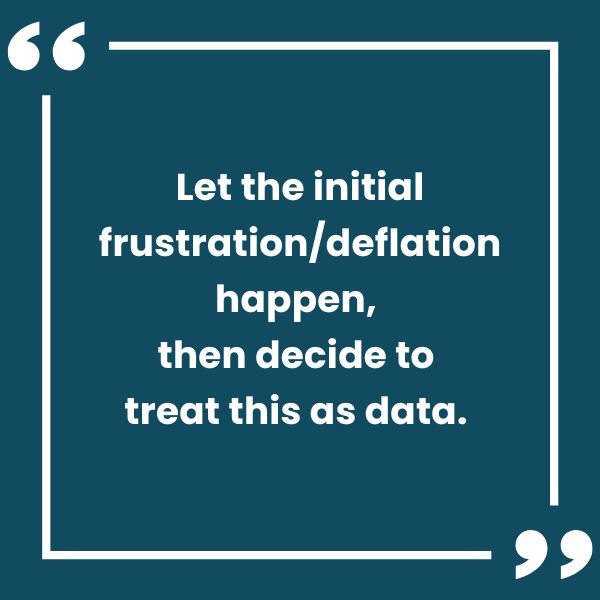
Let the initial frustration/deflation happen, then decide to treat this as data. 

How to read examiner feedback and spot patterns

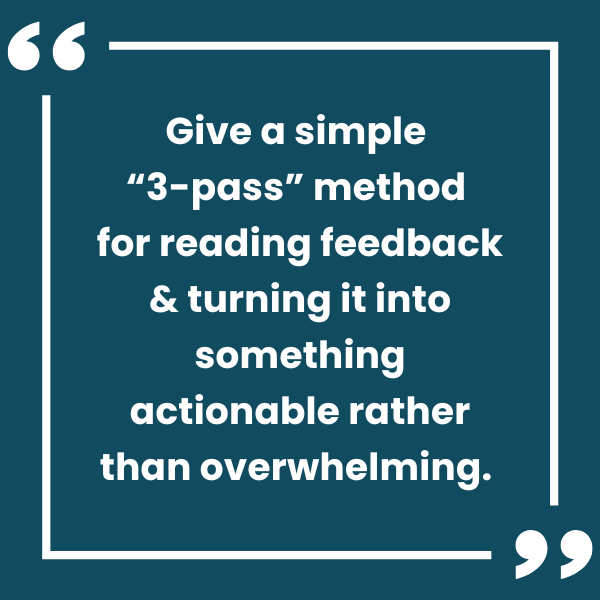
Here you can give a simple “3-pass” method for reading feedback and turning it into something actionable rather than overwhelming. 

  • Pass 1 – Emotional reaction (then park it): 
    Let the initial frustration/deflation happen, then decide to treat this as data. 


  • Pass 2 – Highlight repeated themes: 
    Use one colour for “technique issues” (structure, tailoring, balance) and another for “technical knowledge gaps”. 


  • Pass 3 – Translate themes into actions: 
    For each recurring comment, write:  


1. “What is this telling me about how I answer?” 

2.“What could I do differently next time?” 

Five common examiner feedback trends – and how to turn each one into marks

These trends represent the systematic gaps that could be affecting your marks and therefore outline where to focus your preparation for the next sitting. 

1. Strengthen and expand your fact-finding

R06 rewards client-specific advice, not generic textbook answers. Always start your answer by anchoring in client facts: Age, family situation, income, assets, liabilities, objectives, time horizons, ATR/CFL. 

Practice idea: Take the previous sitting’s case study and write just the fact-find section for each major area (protection, retirement, investment, estate planning), then use the BTS case study analysis or examiner reports to compare. 

2. Always tailor recommendations to the client’s circumstances and risk profile

Every recommendation needs a “because it suits you specifically” sentence. Tie answers explicitly to:  

  • ATR and CFL. 
  • Tax position and use of allowances. 
  • Life stage and objectives (e.g. “approaching retirement”, “young family”, “business owners”). 


Practice tip: After writing a recommendation, underline every phrase that directly refers to the client’s facts. If there are only one or two, it’s probably too generic. 

3. Balance advantages and disadvantages more fully

R06 marks “thinking like a planner”, which means genuinely weighing up pros and cons. 

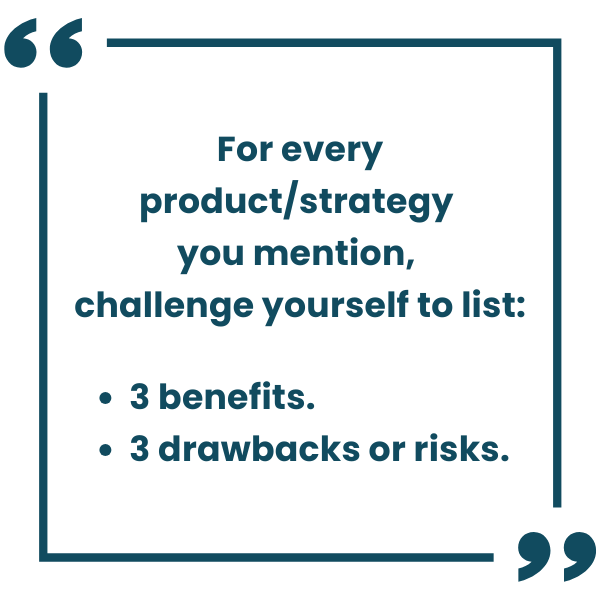
For every product/strategy you mention, challenge yourself to list:  

  • 3 benefits. 
  • 3 drawbacks or risks. 


Show you understand client risks (e.g. liquidity, volatility, inflation, currency) and behavioural risks (e.g. client understanding, attitude). 

Practice idea: Take common topics (ISA vs GIA, FIB vs LTA, salary sacrifice, DGT, etc.) and build your own “mini pros/cons crib sheet”. 

Failed R06 How to Reset, Refocus and Come Back Stronger (1)

4. Bring more technical depth into your answers

You might understand the concepts, but the exam wants to see that understanding in your wording. 

Name key rules and allowances clearly, for example:  

  • CGT allowance and use of transfers between spouses. 
  • ISA/bed & ISA mechanics. 
  • Nil rate band / seven-year rule in IHT planning. 
  • Salary sacrifice, employer matching, and NI savings. 


Show tax implications, allowance usage, product mechanics (what it does, how it works, any key constraints). 

Practice idea: Take your last attempt’s answers and highlight every explicit technical term or rule. Ask yourself, “If I was the examiner, would I be confident this candidate knows their stuff?” If not, that’s your revision focus. 

5. State the obvious

Here’s a simple way to pick up easy marks: state the obvious. 

It sounds strange, but many learners lose marks because they give half an answer. Take this exam question as an example: 

“Outline the limitations of using cashflow modelling to assess future financial needs.” 

A common response is: 

  • Cashflow modelling is based on assumptions. 


This is true, but it won’t earn full marks. Why? Because you haven’t explained why that’s a limitation. 

A stronger answer would be: 

  • Cashflow modelling is based on assumptions, and those assumptions may turn out to be incorrect. 


Yes, it feels like you’re stating the obvious. That’s exactly the point. Examiners want you to spell out the impact on the client. The more clearly you link the point to the real-world consequence, the more marks you will pick up. 

So don’t be afraid to say what seems obvious. It shows the examiner that you understand not just the fact, but its relevance – and that’s what earns marks. 

In Summary:

  1. Include more client-specific details and factfind items. 
  2. Demonstrate clear links between client circumstances and recommendations. 
  3. Provide balanced pros/cons and comparisons. 
  4. Add technical depth e.g. allowances, tax rules, product mechanics. 
  5. State the obvious – make your point, explain why it’s important. 


Our biggest tip – Practice, practice, practice – and be brutal with your self-marking! 

WHERE CAN I FIND OUT MORE?

View Our R06 Exam Study Support toolkit to purchase any R06 Study support including Study Guides, e-Learning modules and online workshops. 

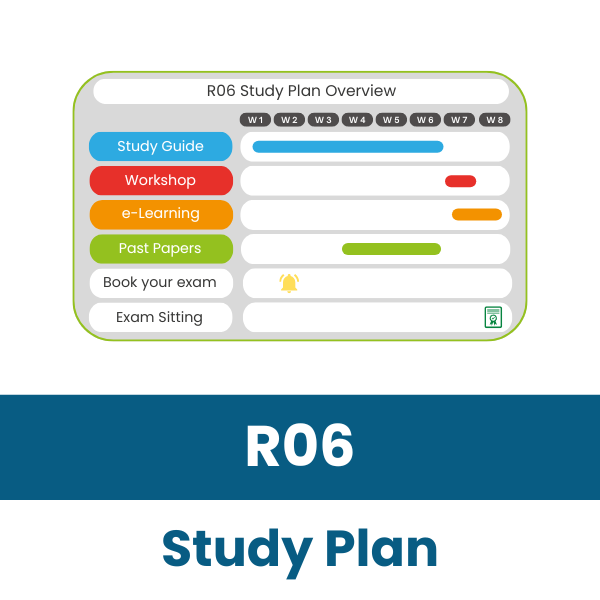
Find out more in depth help and advise to structure your R06 studies by viewing our R06 Study Plan.

Chat with other R06 candidates in the dedicated BTS R06 online forum room to help keep up to date , find out any new information and gain help and advice from others.

To view Careers Zone Content, Please sign in or Register

Sign in to Careers Zone

Register for Careers Zone